
On January 21, 2026, the House Natural Resources Subcommittee on Federal Lands held an oversight hearing on implementation of the Expanding Public Lands Outdoor Recreation Experiences (EXPLORE) Act, which includes the Simplifying Outdoor Access to Recreation (SOAR) Act. The SOAR Act modernizes the special recreation permitting process for nonprofits, race directors, guides, and outfitters on federal lands.
We submitted written testimony for the hearing record on what it will take to make SOAR’s permit streamlining work in practice: capacity, consistency, transparency, and modern tools. For runners and other public land visitors, this is a practical question of public safety, resource protection, and predictable access.
RPL is dedicated to protecting public lands and expanding access to nature for all, and we represent trail runners, community running clubs, run-specialty retailers, nonprofit partners, and race directors who rely on Special Recreation Permits (SRPs) to host organized events responsibly on federal public lands.
Why SRPs Matter for Trail Running
For trail running events, SRP decisions often determine whether an event can occur, whether it can be managed safely, and whether it can continue as a long-standing community tradition. Permitting drives route planning, timing, medical coverage, volunteer coordination, transportation logistics, waste management, and post-event stewardship. When permits are delayed or requirements change late in the planning cycle, organizers can lose a year of preparation in a matter of weeks. Rural gateway communities can also lose visitor revenue during key seasons that many small businesses depend on.
In our testimony, we emphasized that the biggest risk to SOAR’s success is agency capacity. Recreation permitting is staff-intensive even under stable conditions, and SOAR adds expectations around timeliness, transparency, screening tools, and coordination across offices and jurisdictions. When staffing is thin, predictable breakdowns follow: communication gaps, long processing delays that compress safety planning, inconsistent requirements across units, and deferred basic services that affect events and everyday trail users alike. These capacity gaps show up as deferred trail maintenance, delayed hazard mitigation, reduced visitor information, and closures of basic facilities and access points. SOAR also cannot be implemented unit-by-unit through ad hoc practices. Agencies need clear national and regional guidance, standardized templates, and training so local staff are not forced to reinvent approaches and requirements each season.

Trail running includes everything from small community fun runs to large endurance events. SOAR’s “nominal effects” framework can help agencies process truly low-impact events efficiently—freeing staff time for higher-use events, sensitive settings, and complex multi-jurisdiction courses. RPL recommended that agencies prioritize a clear screening tool with running-specific examples, a standardized short-form pathway for small low-impact events, and a predictable process for routine amendments (such as minor reroutes due to washouts) that do not materially change impacts. Done well, this approach supports stewardship by conserving staff capacity while maintaining resource protection and participant safety.
Many races cross administrative boundaries. When organizers must obtain multiple permits on different timelines with different requirements, compliance costs rise and risk management becomes harder—especially for volunteer-led events and small nonprofits. SOAR coordination tools should support coordinated intake, clear points of contact, shared timelines, and consistent core conditions where appropriate. RPL also recommended refinements that reduce avoidable friction and improve predictability, including clearer fee practices and making multi-year authorizations routine for recurring events with stable operating plans.
The Committee’s hearing page includes hearing materials and written submissions, including RPL’s testimony posted “for the record.” You can watch a recording of the hearing here.
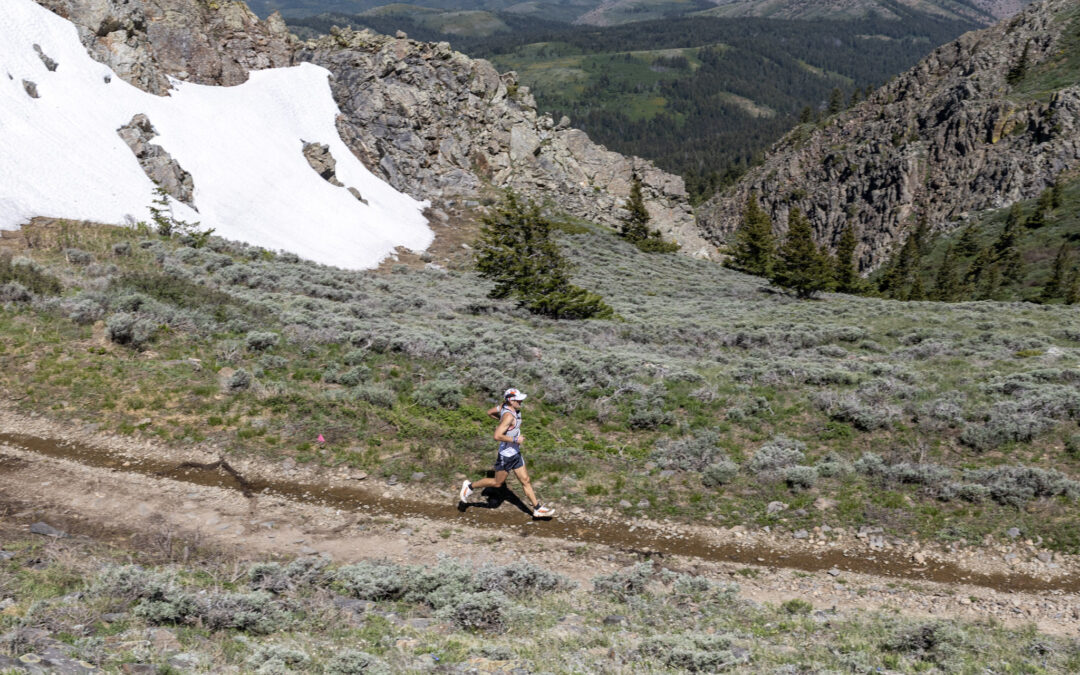
Featured image: A runner participating in the Scout Mountain Ultra in Idaho, 2025. Photo by Jana Herzog Photography